How to Choose the Right Bathroom Remodeling Contractor
The right installer makes all the difference. What to ask, what to look for, and how to compare quotes with confidence.
 By LifeWell Compass Editorial Team · Published · Updated · 3 min read
Why colors look different on the wall than on the chip, and a simple process that gets it right.
Paint is one of the cheapest ways to transform a room, and one of the easiest to get wrong. That tiny chip can look completely different on four walls.
Look at the things you're not changing: flooring, countertops, a big sofa or rug. Pull your color from them, or choose something that works with their undertones.
Most whites, grays and beiges lean warm (yellow, pink, red) or cool (blue, green, violet). Hold chips against a sheet of plain white paper to see it.
Paint large swatches (at least two feet square) on a couple of walls, or use peel-and-stick samples. Live with them for a few days.
Flat or matte for ceilings and low-traffic rooms, eggshell or satin for living spaces, and semi-gloss for trim, kitchens and bathrooms.
As we age, our eyes need more light and contrast. Lighter wall colors reflect more light and make rooms feel brighter. Contrasting colors, like a darker floor and lighter walls, or a contrasting stripe on stair edges, make it easier to judge depth and prevent trips.
Painting ceilings and high walls means ladders. Consider hiring a painter for those areas, or paint only what you can reach safely from the floor.
Low-VOC or zero-VOC paints have less smell and are easier on your lungs.

The right installer makes all the difference. What to ask, what to look for, and how to compare quotes with confidence.

A realistic, room-by-room plan to clear the clutter without burning out.
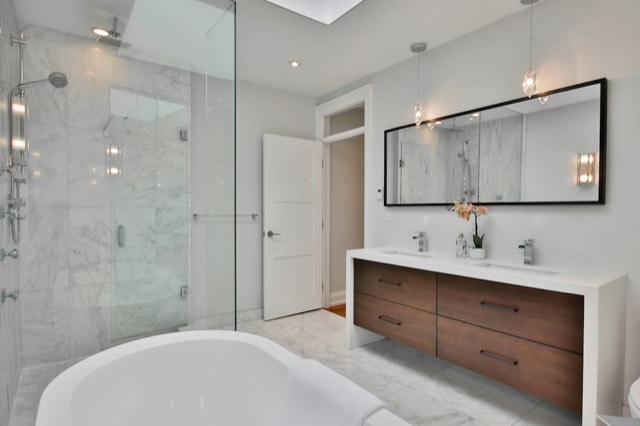
The pros, cons and practical trade-offs of each, so you pick the right upgrade for your bathroom.